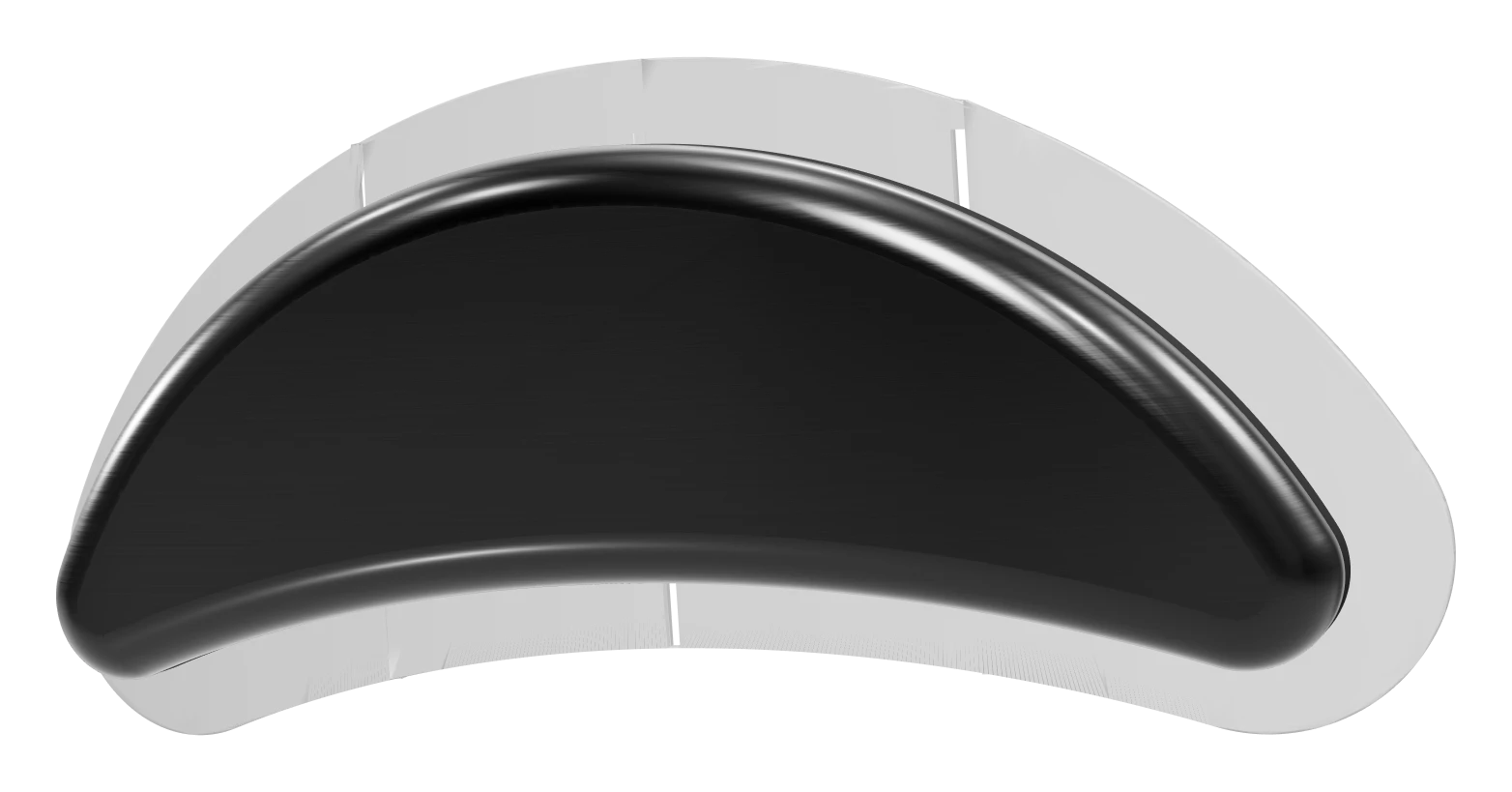
Aperture. We've mapped the Earth, explored the oceans and reached beyond our atmosphere. The next frontier is within.
Every map we've ever made was drawn by a mind. Yet you've never seen a map of your own.
Your mind has its own weather. Focus that builds and breaks. Pressure that rises before you feel it. Calm that comes back, or doesn't. Aperture lets you see it.
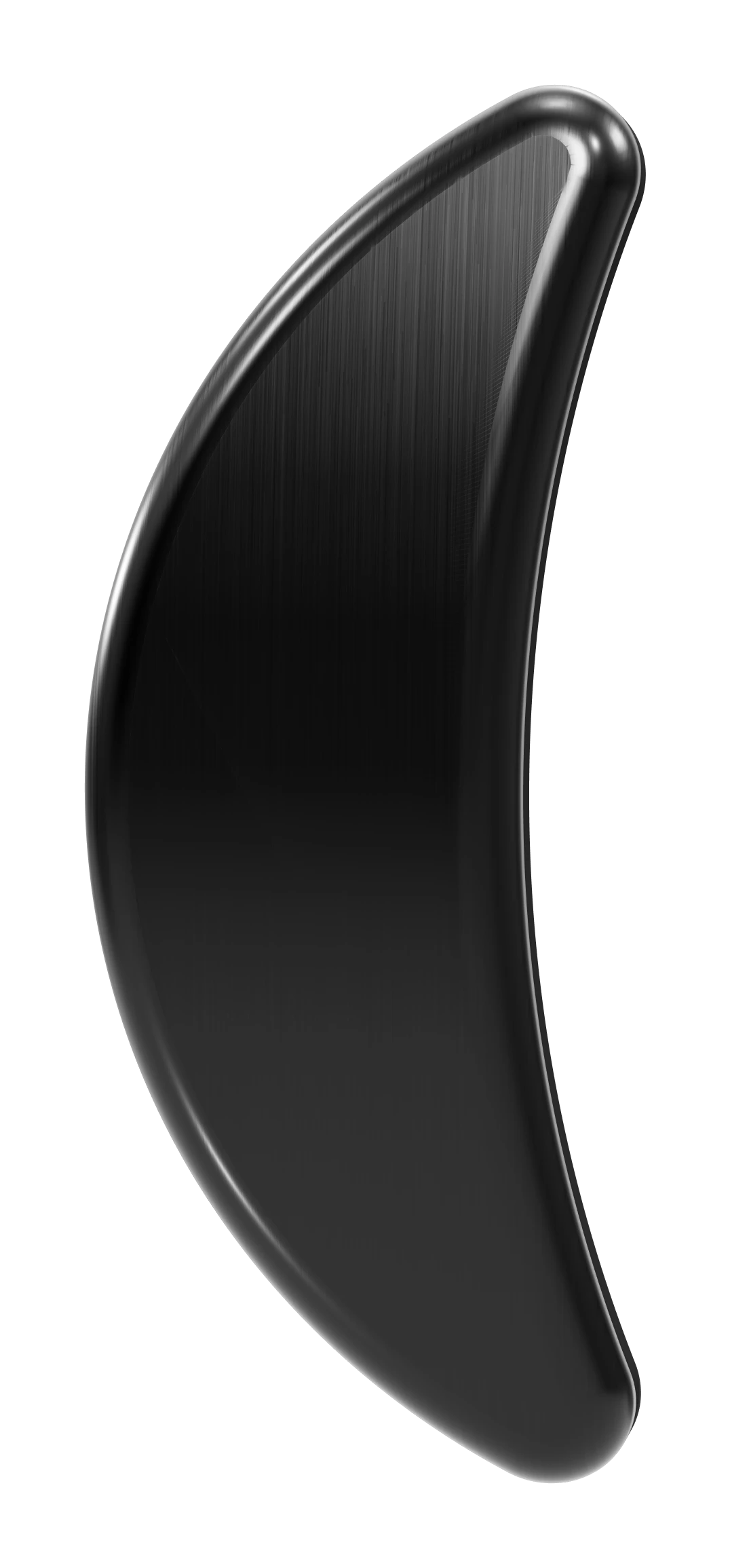
Know when your mind wanders.
Aperture is a wearable for your mind. It rests behind your ear and notices the moment your focus drifts.
This is the first one.
It waits in its case, charged and ready. The case charges over USB-C.
Thin enough to forget.
Everything it needs is sealed inside one small shell, 48 mm long and 4.65 mm thin.
Four silver sensors.
Sintered silver, the material hospitals use to read the brain, rests dry against your skin. No gel, no prep.
It snaps into place.
A magnet in every soft pad pulls the shell home.
Then it listens.
It wakes the moment it lands, and rests in the groove behind your ear while you work.
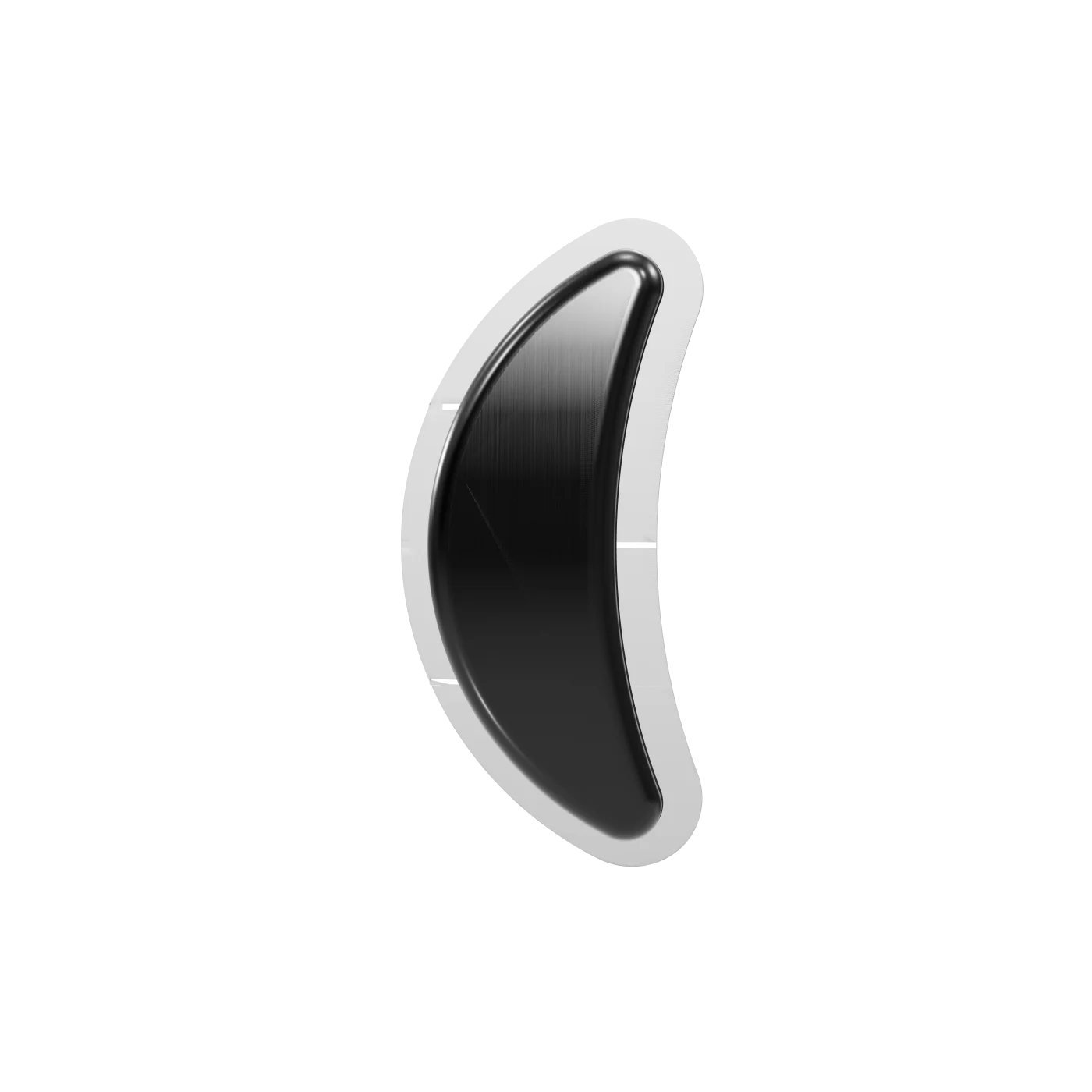
It rests behind your ear.
Curved to follow your head, it sits in the groove behind your ear on a soft silicone base. Most of the day, you'll forget it's there.
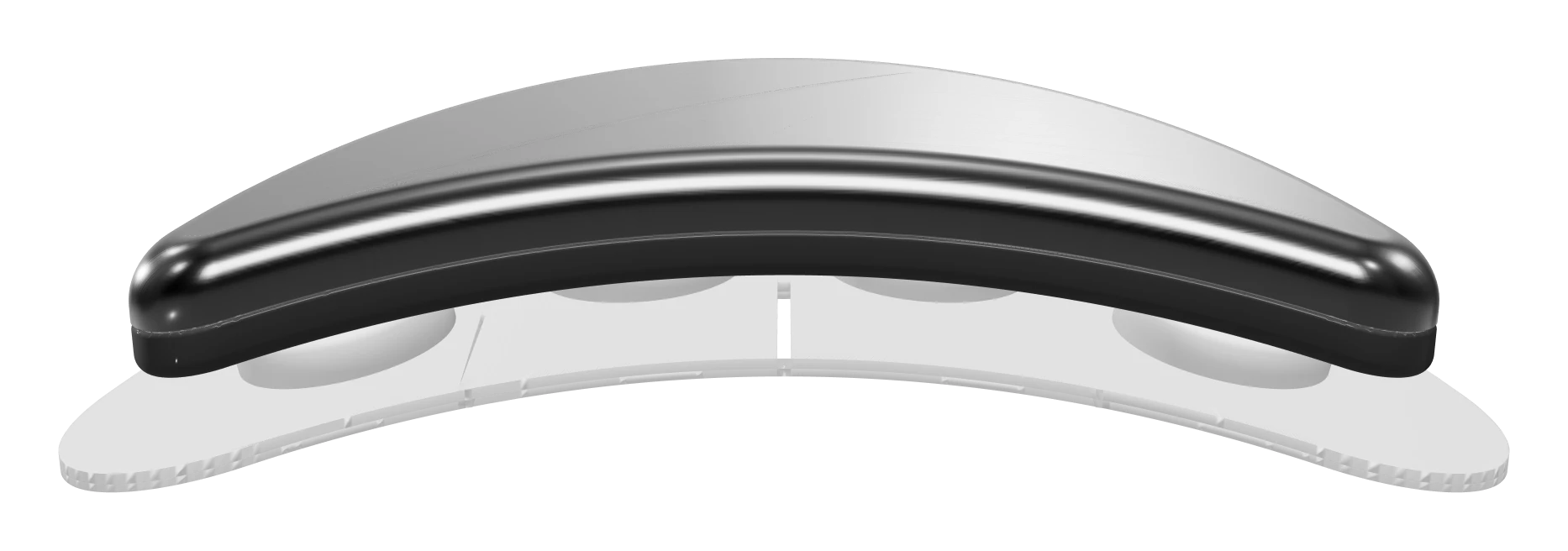
- 4.65mm
- Thin. The shell is a single curve of dark brushed aluminium.
- 48mm
- Long, end to end, shaped to the groove behind your ear.
- 4
- Sensors of sintered silver. They work dry, so there's no gel and nothing to prepare.
- USB-C
- The case charges the shell between wears, and charges itself over a standard cable.
How it listens.
Your brain hums with electrical rhythm, all day long.
Aperture filters out the noise of the room around you.
Blinks and movement are set aside, so they're never mistaken for focus.
What's left is your rhythm, measured against your own baseline.
It notices the moment you drift.
Over a few days, it learns what focus looks like for you, so it can tell when you've slipped away from it.
This page does a small version. Switch to another tab for a few seconds, then come back.
So far, you haven't drifted.
See your day in focus.
A calm timeline of your workday: when you were deep in it, and when your attention slipped away.
Know what interruptions cost.
Every ping has a price. Aperture shows how long it takes you to get back on track.
Find your best hours.
Over the weeks, it learns when you focus best, so you can protect that time.
An illustration of the app we're building.
Your watch listens to your heart. Aperture listens to your mind.
| What it offers | Brain-sensing headbands | Watches and rings | Aperture |
|---|---|---|---|
| Measures brain activity | yes | no | yes |
| Discreet enough for the office | no | yes | yes |
| Comfortable through a workday | Rarely | yes | yes |
| Shows when your focus drifts | In short sessions | no | yes |
The Aperture column describes what we're designing it to do.
Your mind stays yours.
A device that reads the brain should say plainly what it keeps. So here it is, before you ever wear one.
- What it reads
- The electrical rhythm of your brain, through four sensors behind your ear. Not thoughts, words or pictures. Nothing like that is in the signal.
- Where it goes
- To the Aperture app on your phone, and nowhere else unless you choose to share it.
- What you control
- See everything it has recorded, export it, or delete all of it, whenever you like.
This is how we're designing Aperture to handle your data.
Questions.
Can Aperture read my thoughts?
No. It measures the overall electrical rhythm of your brain, much as a heart monitor measures the rhythm of your heart. It can't tell what you're thinking.
Is it a medical device?
No. Aperture is being designed as a wellness and productivity tool. It doesn't diagnose or treat any condition.
Do I need gel, straps or a cap?
No. The silver sensors work dry, on clean skin, and it rests behind your ear on a soft silicone base. There's nothing on your head and nothing in your hair.
How does it stay on?
A soft silicone base sits in the groove behind your ear, held by a thin adhesive layer. The shell snaps onto the base with magnets, and lifts off to charge.
How does it charge?
In its case. Set the shell in and close the lid. The case itself charges over USB-C.
Will it work for me?
Every brain is different, so Aperture learns your own baseline and measures you against yourself, not against an average.
When can I get one?
Aperture is in development. People on the waitlist hear first about early units and research sessions.
Look within.
Less than a minute here, and you never drifted.
Most hours don't go like that. Aperture shows you which ones do.
- Early access to the first units
- Invitations to research sessions
- Notes from the lab, about once a month
We'll only use your email to write to you about Aperture.